Expert Municipal Knowledge
Toronto Real Estate Appraisals
Clear, independent valuation for the most complex and segmented real estate market in the GTA and surrounding areas.
Toronto requires precise neighbourhood analysis, property type specialization, and disciplined comparable selection to account for the city's vast micro-market variances.
Homeowners, lenders, investors, and legal professionals rely on Advanced Appraisals for reporting that reflects real Toronto market behaviour and underwriting expectations.

The Toronto Market Advantage
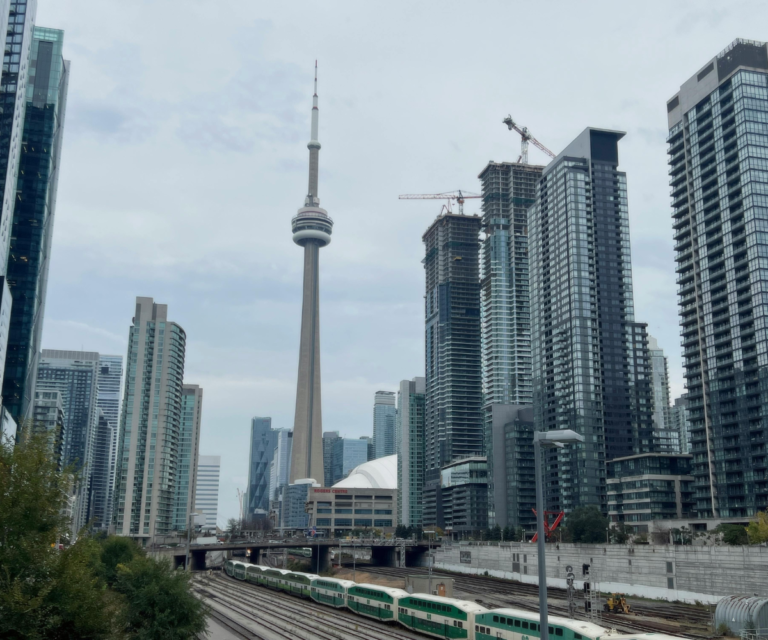
Toronto is a collection of micro-markets shaped by neighborhood identity, housing form, and transit access. While detached homes dominate low-rise pockets, high-rise condominiums define the downtown core and major transit corridors.
Valuation outcomes vary sharply between Old Toronto, North York, Etobicoke, and Scarborough. Factors like TTC/GO connectivity, heritage restrictions, and laneway housing potential require disciplined comparable selection.
Advanced Appraisals delivers the accuracy and local depth necessary to navigate Toronto’s sophisticated and segmented housing trends with absolute certainty.
Expert Municipal Knowledge
Why Advanced Appraisals for Toronto
Toronto requires an appraiser who understands density, regulation, and neighbourhood-level pricing. Clients choose us for our deep insight into the city's complex urban fabric.
Appraisal Services in Toronto
Primary Residence Appraisals
Financing and refinancing valuations tailored to Toronto’s property diversity and neighborhood behavior, from Victorian semis to modern row-housing.
Condominium Appraisals
Unit-specific reporting for high-rise and mid-rise buildings, accounting for floor level, orientation (exposure), fees, and building condition.
Investment Property Appraisals
Valuations for rental homes, multiplexes, condos, and income-producing assets across all former boroughs.
Luxury and Custom Home Appraisals
Reporting for high-value properties in established low-rise neighborhoods where land value and bespoke design drive pricing.
Laneway and Redevelopment Appraisals
Valuations that consider Bill 23 zoning impacts, density permissions, and the redevelopment potential of underutilized urban lots.
Retrospective and Estate Appraisals
Date-specific valuations required for probate, estate settlement, and historical reporting with defensible data sets.
Divorce and Family Law Appraisals
Independent, defensible valuations suitable for equalization and litigation, structured for legal and court review.
Capital Gains and Tax Planning
CRA-aligned reporting for change-of-use (e.g., principal to rental), inheritance, and long-term tax strategy.
Commercial Appraisals
Office, retail, industrial, and mixed-use properties throughout Toronto’s core and employment lands.
Neighborhoods We Cover
Comprehensive residential and commercial coverage across The City of Toronto & GTA.
Market Factors That Influence Value in Toronto
Our valuation methodology accounts for the unique density, transit, and regulatory drivers that define the Toronto urban landscape.
Transit Connectivity & TTC Access
Proximity to subway stations, GO Transit corridors, and the upcoming Ontario Line creates distinct value premiums that often outweigh traditional square footage metrics.
Zoning & Density
Specific permissions for mid-rise intensification and multiplex conversions significantly impact land value in low-rise neighborhoods.
Laneway & Garden Suites
Eligibility for secondary suites adds latent value and utility to urban lots that standard appraisals often overlook.
School Catchment Boundaries
Highly segmented boundaries for top-tier TDSB and TCDSB schools drive intense demand and price stability in pockets like North Toronto, Leaside, and Riverdale.
Condo Supply & Absorption
Analysis of unit-specific floor levels, exposure premiums, and building-wide inventory turnover rates.
Heritage Designations
Restrictions on alterations and heritage preservation requirements create unique valuation profiles for historical assets.
Parking Availability
The high scarcity and premium value of legal front-yard parking or laneway access in dense urban cores.
Employment Hub Proximity
Walkability to the Financial District, Tech corridors, and major hospital zones drives consistent rental and resale performance.
Explore Our Expertise
Internal Linking Directory
Core Pages
Top Relevant Services
Nearby Cities
Resource Articles
Toronto Real Estate FAQ
Common questions regarding property valuation in the GTA urban core.
Toronto micro-markets are highly localized. Factors like zoning density, proximity to major transit lines, and even being on the "right side" of a specific school boundary can cause values to shift significantly within a block. We use hyper-local data to ensure the most accurate comparison.
Yes. Downtown condos are highly sensitive to investor demand, short-term rental rules, and high maintenance fees. In contrast, suburban condos often behave like end-user housing, where floor space and family-oriented amenities drive the price more than proximity to the Financial District.
It can, but it is not automatic. Value increases depend on whether the lot configuration meets City of Toronto zoning requirements (such as fire access and setbacks). If a lot is eligible, it can add significant "latent value" due to the potential for rental income or multi-generational living.
Extremely. Proximity to a TTC Subway station or GO Transit line is one of the strongest floor-price indicators in the city. Properties within a 10-minute walk of rapid transit often command a 15-20% premium over transit-isolated pockets, especially in the rental and investment markets.
Most standard residential reports are completed within 2 to 4 business days after the inspection. However, complex properties—such as mixed-use buildings or those with significant redevelopment potential—may require extra time for a thorough market analysis and zoning verification.
Ready for your Toronto appraisal?
Get a clear, defensible, and lender-ready valuation backed by deep local market expertise.