The Value Impact of
Bathroom Upgrades
Bathroom upgrades can improve a home’s appeal, reduce buyer hesitation and strengthen overall marketability.
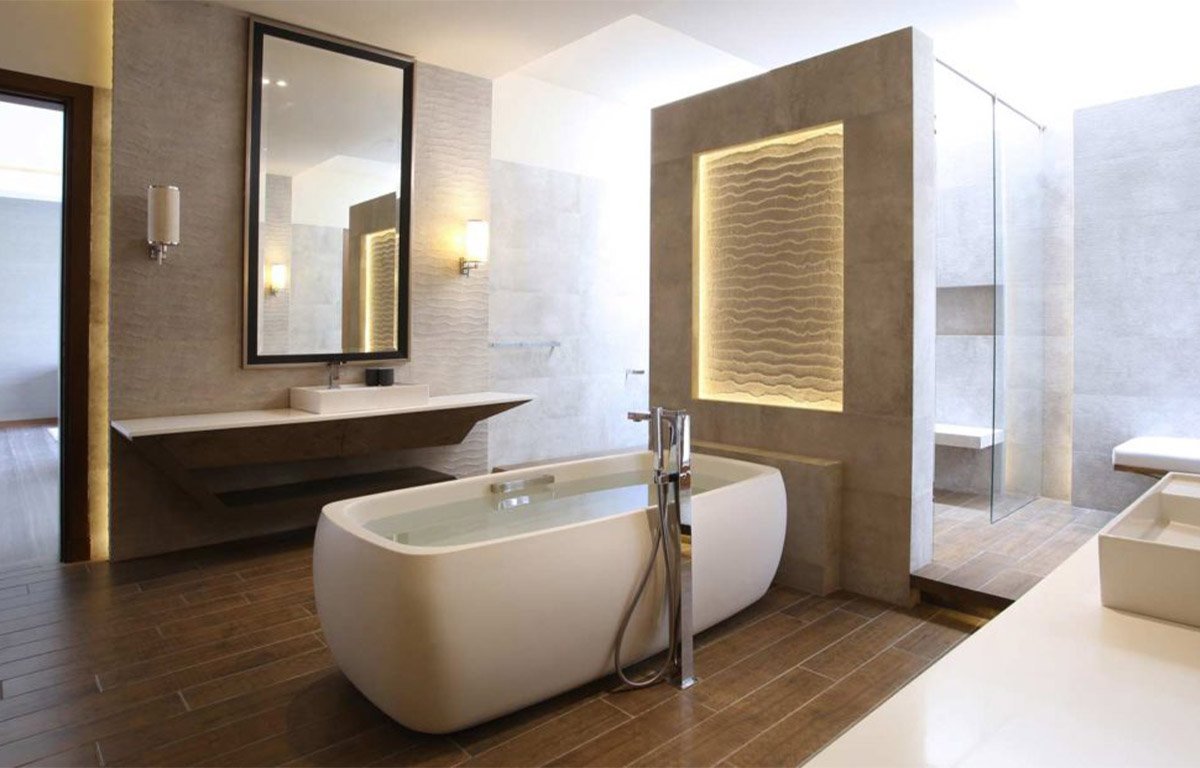
Why This Matters
Buyers notice bathrooms immediately. Outdated fixtures, aging tiles, or poor layouts can reduce perceived value and increase renovation concerns for potential purchasers.
Market Advantages
Understanding which upgrades matter most helps homeowners invest where the market responds positively, ensuring renovation dollars contribute effectively to the final valuation.
Investment Strategy
Bathroom Upgrades That Add Value
- Updated faucets & contemporary sinks
- Modern shower heads & lighting
- Updated mirrors & premium hardware
- Neutral porcelain or natural stone
- Professional, aligned installation
- Heated floors (high demand in GTA/Ontario)
- Frameless glass enclosures
- Modern tile surrounds & efficient drainage
- Free-standing tubs (expected in high-end areas)
- Vanities with soft-close drawers
- Built-in shelving & additional cabinetry
- Hidden or organized storage solutions
Buyers consistently react well to clean, modern finishes. When these upgrades are aligned with neighborhood expectations and supported by local comparables, they can significantly strengthen your home’s market position and value range.
Upgrades with Limited Value
Some bathroom features add aesthetic appeal but may not result in a dollar-for-dollar increase in market value.
🏛️ 1. Ultra-High End vs. Modest Neighborhoods
Overbuilding rarely generates a full return. While buyers will appreciate premium finishes, the actual market value is often constrained by the "ceiling" set by neighboring homes.
🎨 2. Niche Design Choices
Highly personalized or "bold" design choices are a double-edged sword. While they may appeal intensely to a small group of buyers, they can deter others who factor in the cost of "un-doing" the design to suit their tastes.
🏗️ 3. Layout Changes Without Benefit
Structural plumbing or wall changes are incredibly costly. If the new layout doesn't significantly improve utility or add a fixture (like a second sink), the high cost of construction often exceeds the market's willingness to pay.
💎 4. Luxury Without Support
Cost does not equal value if the area doesn't demand it. Examples of "diminishing return" features in mid-range markets include:
- Multi-jet commercial spa showers
- Rare, imported exotic stones
- High-complexity custom lighting systems
How Appraisers Evaluate Upgrades
🛠️ Quality of Workmanship
Appraisers look beyond the price tag to the execution. Professional installation and durable materials ensure the renovation supports a higher condition rating for the overall property.
📊 Market Comparison
Value is determined by analyzing comparable homes with similar bathroom quality. We measure how much more buyers actually paid for modernized spaces versus dated ones.
🏘️ Neighbourhood Norms
Alignment with local expectations is key. Upgrades that match the standard of the neighborhood provide the most stable return on investment and marketability.
🔄 Before & After Context
We consider the property’s total utility. A renovation that takes a bathroom from "poor" to "good" often shows a larger value jump than moving from "average" to "luxury."
⚖️ Cost vs. Contributory Value
Crucially, appraisers do not assign value based on renovation receipts. Value is always tied to contributory value—the specific amount a typical buyer is willing to pay for those improvements in the current market.
When Lot Premiums Are Weaker
Minimal Feature Impact
Small ravine gaps or "partial" views often fail to trigger a full premium. If the feature isn't dominant, buyers may not pay a significant extra amount.
Seasonal Privacy
If privacy is only present during the summer months due to foliage, the year-round value impact is often overstated by homeowners.
Homogeneous Neighborhoods
In areas where the market does not value lot variation strongly, even a superior lot may sell for a price close to the neighborhood average.
Public Access Conflict
Backing onto minor trails or public walkways is often viewed as a secondary feature compared to true, private green space or ravines.
Functional Drawbacks
Oversized slopes or irregular land configurations can create "diminishing returns" where the cost of maintaining the land outweighs the view benefit.
Lack of Paired Sales
If there is no historical data of buyers paying more for specific lot variations in your area, an appraiser cannot "create" a premium out of thin air.
Common Misunderstandings
"A new bathroom always returns 100% of the cost."
The market, not the construction receipt, determines value. While bathrooms are high-ROI, the dollar-for-dollar return depends on current local demand and overall property balance.
"Luxury finishes guarantee a valuation premium."
High-end upgrades only trigger a premium if the neighborhood supports that quality level. Over-improving beyond the neighborhood "ceiling" results in diminishing returns.
"Every single upgrade shows as a major adjustment."
Appraisal adjustments are derived from paired sales data. If the market doesn't show a clear price difference for a specific feature, an appraiser cannot manually create an adjustment for it.
"One renovated bathroom fixes the rest of the home."
If the kitchen and main living areas are significantly outdated, a single modern bathroom may feel "out of place" and fail to pull the entire home's value into a higher bracket.
FAQ
Common questions regarding bathroom renovations and market value.
It often improves market appeal and can influence value when the quality of the finish is supported by comparable home sales in your area. A modernized bathroom can move a home into a higher "Condition Rating," which can positively impact the final appraisal amount.
The best returns typically come from modern, neutral, and well-executed updates. Focusing on quality fixtures, efficient lighting, and clean tile design appeals to the widest range of buyers, making it easier for an appraiser to justify a value adjustment.
While value is determined by market evidence rather than cost, receipts are helpful. They confirm the timeline of the upgrades and the quality of materials used, which helps the appraiser build a more accurate "Effective Age" and "Condition" narrative for the lender.
This depends on your neighborhood expectations. If most homes in your area have updated bathrooms and yours is original, a renovation may be necessary to remain competitive. However, if your home is already at the top of the local market, additional luxury upgrades may see diminishing returns.
Invest Wisely in Your Home's Future
If you want guidance on which bathroom upgrades will influence your home’s value in today’s market, our team can help you understand market expectations and the likely impact.