Kitchen Renovations
& Market Value
A kitchen can increase appeal and reduce buyer hesitation, but its impact on value depends on neighbourhood norms and buyer expectations.
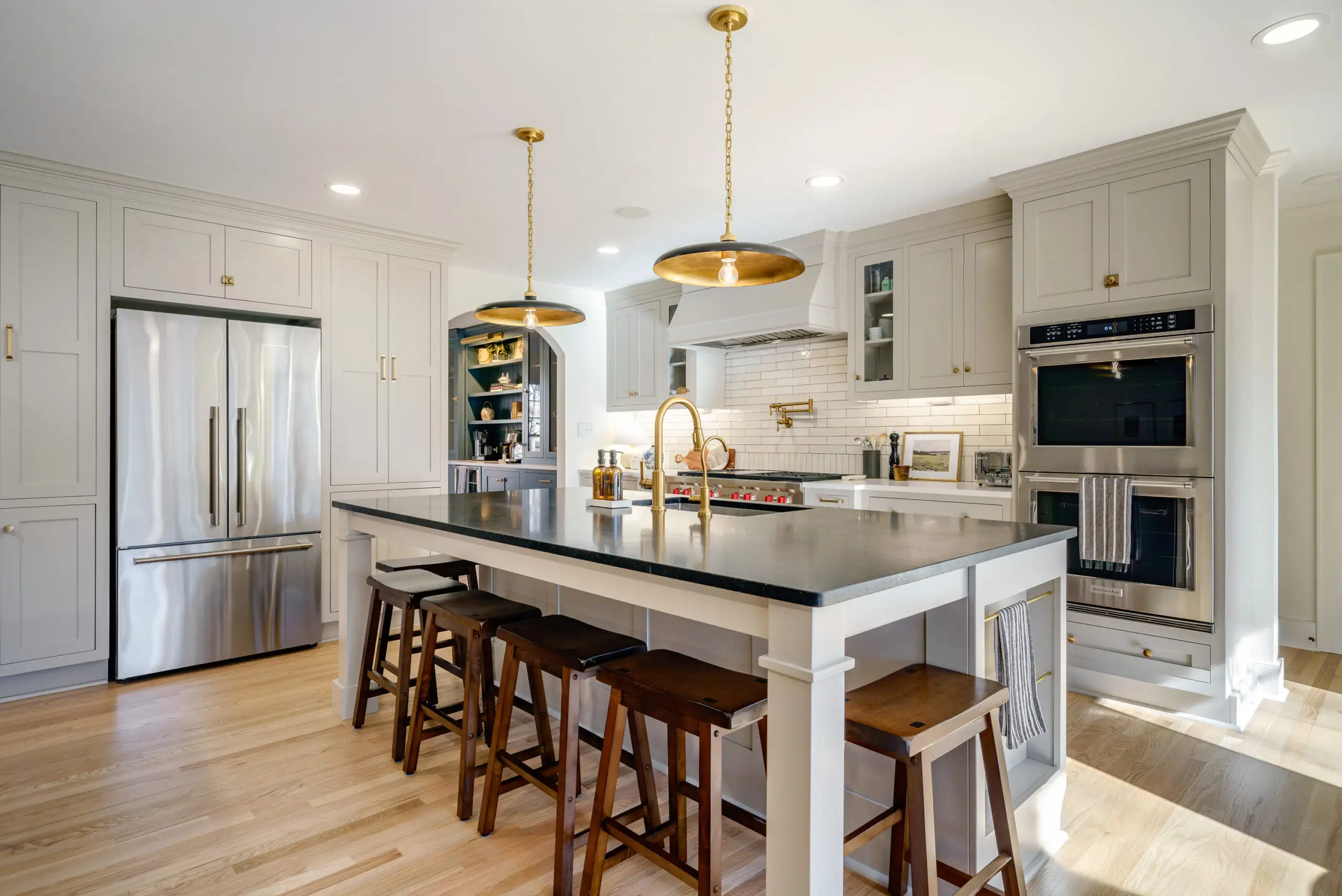
Why This Matters
Many homeowners assume a high-end kitchen automatically raises value by the same amount invested. In reality, value is determined by market behaviour, not renovation cost.
Value Drivers
Understanding these market behaviors helps prevent overestimation and supports realistic equity expectations before you refinance or list your property.
Appraisal Methodology
How Appraisers Evaluate Kitchen Renovations
- Cabinet construction & Hardware
- Countertop materials (Quartz vs. Laminate)
- Appliance grade & Integrated lighting
- Workflow (The "Work Triangle")
- Increased counter space and storage
- Removal of layout restrictions or barriers
- Avoid "Over-improvement" in modest areas
- Ensure quality meets high-demand area norms
- Positions home at the high end of value ranges
- Reduces deferred maintenance concerns
A cosmetic refresh without layout improvements often has a smaller impact than a full redesign. Focus on alignment with your neighbourhood's "ceiling" to ensure the strongest possible return on your appraisal.
When Renovations Add Strong Value
While a kitchen rarely returns 100% of cost, specific strategic choices significantly improve marketability and final appraised value.
1. Replacing Outdated Fundamentals
The highest "value jump" occurs when a very outdated kitchen is modernized. Bringing a 20+ year old kitchen to modern standards drastically reduces the property's overall "effective age."
2. Modernizing Layout & Workflow
Improving functionality (like adding an island or correcting a cramped layout) adds more value than high-end materials alone. Function drives buyer interest more consistently than finishes.
3. Alignment with Neighbourhood Norms
Value is strongest when the renovation matches what local buyers expect. Staying within the "ceiling" of your neighbourhood ensures you aren't over-improving beyond the market's willingness to pay.
4. Quality Craftsmanship
Appraisers look at the fit and finish. Professional installation and durable materials reduce "buyer hesitation" and protect the long-term contributory value of the project.
5. Reducing Post-Purchase Friction
A move-in-ready kitchen supports Days on Market (DOM) speed. Buyers typically pay a premium for a home where they don't have to manage a major renovation immediately after purchase.
When Renovations Add Limited Value
⚖️ Neighborhood Over-Improvement
Value impact is capped by local norms. Installing ultra-luxury finishes in a mid-market neighborhood rarely yields a full return on the extra investment.
🛑 Unresolved Layout Issues
Cosmetic updates (paint, new counters) cannot fully offset poor workflow. If the "work triangle" is broken, the value remains limited despite the fresh look.
🏚️ Inconsistent Home Condition
A $100k kitchen in a home with an aging roof or unfinished siding creates a "Condition Disconnect" that appraisers must penalize for overall balance.
🎨 Stylistically Polarizing Choices
Highly customized or trendy designs may appeal to you but alienate the "Typical Buyer," leading to lower market-driven adjustments.
📉 Economic & Market Softening
In a softening market, buyers prioritize "The Four Big Fixes" (Roof, HVAC, Windows, Foundation). Luxury kitchen premiums are often the first to shrink when purchasing power drops.
Common Misunderstandings
The "Dollar-for-Dollar" Myth
"We spent $80k, so value increased $80k." In reality, value follows market reaction, not expenses. A kitchen renovation rarely returns 100% of the investment on an appraisal report.
The "Newness" Assumption
"Buyers will pay extra just because it's brand new." Buyers only pay a premium if the new kitchen aligns with their specific expectations and current neighborhood standards.
The "Automatic Increase" Error
"Every single upgrade raises the home value." Only upgrades that the market recognizes, demands, and historically pays for will influence the final appraised value.
The "High-End Guarantee"
"Luxury finishes guarantee a premium price." High-end materials only move the needle if the surrounding micro-market supports that tier of finish. Otherwise, it is considered an over-improvement.
Kitchen Valuation FAQ
Clarifying common questions on renovation ROI and appraisal methods.
While a new kitchen almost always increases market appeal (making the home faster to sell), the actual value impact depends on market behavior. If the cost of the renovation exceeds what local buyers are typically willing to pay for that feature, you may not see a dollar-for-dollar increase in the appraised value.
Full renovations generally have a much stronger impact, especially if the kitchen was previously outdated or dysfunctional. A partial update (like painting cabinets) can improve aesthetics, but appraisers look for long-term utility—modern appliances, durable countertops, and corrected layouts offer the most defensible value jumps.
Receipts are helpful for understanding the timeline and scope of work, but an appraiser’s valuation is based on market evidence, not your total spend. Providing a list of high-value upgrades (e.g., "Quartz countertops installed 2024") is more effective than just showing a total bill.
Yes, in specific cases. If a renovation is overbuilt for the neighborhood, poorly designed (ignoring the work triangle), or features stylistically polarizing choices that alienate the "typical buyer," it can limit your market. Furthermore, unpermitted structural changes can lead to lender pushback during the valuation process.
Know the True Value of Your Vision
If you want to understand how your kitchen renovation will influence your home’s value in today’s market, our appraisal team can help you get a clear, data-driven answer.