Curb Appeal &
Marketability Impact
Landscaping and curb appeal shape a buyer’s first impression before they even enter the home, signaling care and long-term maintenance.
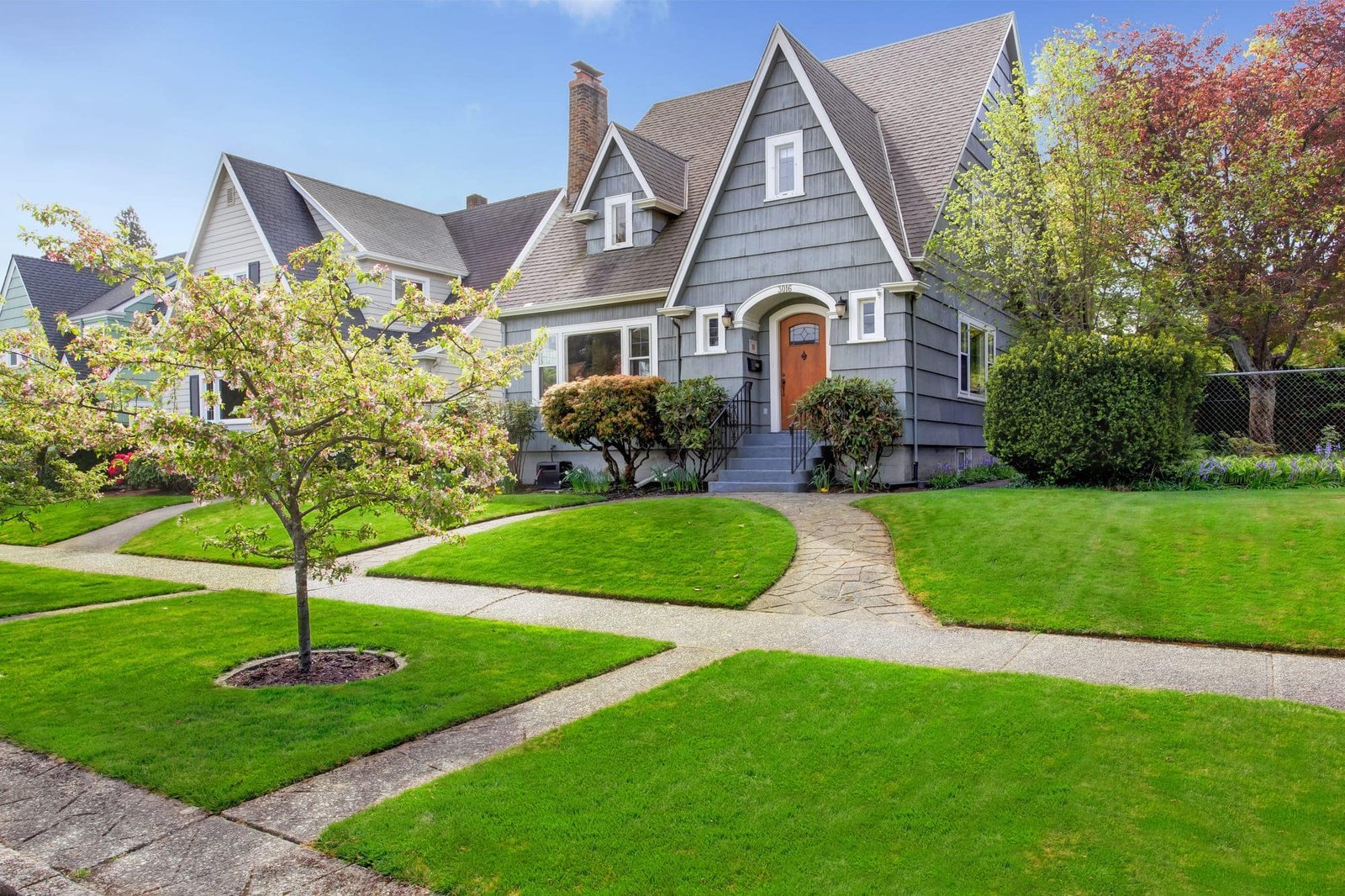
Why First Impressions Matter
Buyers form an opinion of a home within seconds of arriving. A property’s exterior sets the stage for the entire viewing experience, directly impacting marketability and final valuation.
Strategic Advantages
Understanding how landscaping impacts market perception helps you invest wisely, ensuring your exterior supports a strong condition rating without overspending on features buyers won't pay for.
Valuation Framework
How Appraisers Evaluate Landscaping
- Healthy, green lawn and trimmed trees
- Weed-free gardens and clean walkways
- No overgrowth blocking windows or entries
- Updated front door and quality hardware
- Clean porch, landing, and balanced lighting
- Simple, inviting greenery
- Stone walkways and sturdy steps
- Functional patios and retaining walls
- Level, well-maintained driveways
- Quality decks and level grass areas
- Defined outdoor dining or lounge spaces
- Secure, clean fencing for privacy
- High-end areas: Expect refined, professional design
- Entry-level areas: Value clean, low-maintenance yards
- Rural properties: Focus on land care and utility
Appraisers assess landscaping through the lens of market reaction, not cost. Investing in high-health, high-functionality features ensures your property stays competitive and supports the upper end of your neighborhood's value range.
Landscaping That Adds Value
Focus on these five areas to maximize your home's marketability and appraisal condition rating.
1. Clean, Modern Hardscaping
Usable walkways, well-laid patios, and defined stone borders help organize outdoor space. These structural elements improve usability, which appraisers value more than purely decorative plants.
2. Updated Front Entrance
The front door is the focal point of curb appeal. A modern door, updated lighting, and simple, clean planters create an instant positive impression before the appraiser even steps inside.
3. Healthy Lawn and Trees
Consistently maintained grass and professionally trimmed trees signal pride of ownership. This reduces "deferred maintenance" flags in an appraisal report and increases buyer confidence.
4. Functional Backyard Layout
Buyers look for "outdoor rooms." Creating defined spaces for dining, seating, and play appeals to the widest range of families and supports a higher marketability factor.
5. Quality Fencing & Privacy
A clean, well-maintained fence is a critical "utility" feature. It supports privacy and security, two major drivers of value that underwriters look for in premium residential properties.
Landscaping With Limited Value Return
⚖️ Neighborhood Over-Improvement
Extremely high-end designs in modest neighborhoods often hit a "value ceiling." While buyers appreciate the aesthetics, the market typically won't pay a premium that exceeds the area's price limits.
✂️ Overly Complex Gardens
Intricate, high-maintenance gardens can actually deter buyers who fear the long-term upkeep. Appraisers often view "labour-intensive" features as neutral or even a slight drag on marketability.
💧 High-Cost Water Features
Custom fountains, ponds, or irrigation-heavy designs rarely return their full installation cost. These are often viewed as "lifestyle" choices rather than essential value-adders.
🎨 Niche Customization
Highly personalized designs or unique themes may limit your pool of potential buyers. Broad, clean, and "neutral" landscaping almost always yields a better return in an appraisal.
🏗️ Large Structures Without Clear Use
Gazebos, pergolas, or sheds only add value when they provide clear, functional utility. If a structure dominates the yard or feels disconnected from the home’s flow, its contributory value remains minimal compared to its cost.
How Landscaping Influences Appraisals
Condition Rating Support
Clean, healthy landscaping contributes to the overall "Condition" (C-rating) of the home. Well-kept exteriors suggest the property has been maintained with a high "pride of ownership."
Broad Market Appeal
Appraisers look for landscaping that appeals to the typical buyer. Neutral, clean, and functional designs maximize the pool of interested parties and support a higher valuation.
Competitive Positioning
In a neighborhood of similar homes, superior curb appeal places your property at the top of its class, justifying a value at the upper end of the adjusted price range.
Comparable Alignment
Appraisers analyze how your exterior compares to recent local sales. If "Comp 1" sold for a premium with professional landscaping, your home needs similar quality to match that price point.
Reduced Buyer Friction
Overgrown trees or cracked walkways create "mental math" for buyers. Modern, low-maintenance exteriors remove these perceived costs, protecting the home's final sale price.
Proven Market Reaction
Ultimately, value is driven by what the market pays. If data shows buyers in your area prioritize outdoor living spaces, an appraiser will weight those features more heavily.
Common Misunderstandings
“Landscaping returns the full cost of investment.”
Rarely. Value impact is based on market reaction, not the dollar amount spent. You are more likely to see a return on maintenance and "clean" updates than on hyper-expensive custom features.
“More landscaping always equals more value.”
Not always. Overly complex designs can overwhelm buyers who fear high maintenance costs. Appraisers look for balance and functionality rather than pure density of plants or features.
“The backyard matters significantly more than the front.”
Both influence marketability, but curb appeal sets the condition rating immediately. A neglected front yard can lower the appraiser’s initial "Effective Age" estimate before they even see the backyard.
“Custom landscaping guarantees a market premium.”
Only if the neighborhood supports it. In appraisal, value is restricted by Conformity; if your yard is significantly more "custom" than your neighbors', you may hit a point of diminishing returns.
FAQ
Common questions regarding landscaping value and appraisal impact.
Landscaping primarily increases marketability and appeal. While it supports a stronger position within the value range of your neighborhood, it rarely adds large, dollar-for-dollar amounts on its own. Its greatest strength is in supporting the overall condition rating of the property.
Yes. Curb appeal influences the appraiser’s Condition Rating and overall market perception. A well-maintained exterior suggests that the interior and structural components have been equally cared for, reducing perceived "risk" for the lender.
A high-quality, well-maintained driveway supports the home's value, especially if nearby comparable sales feature similar upgrades. It is viewed as a functional improvement that enhances the property's utility and structural integrity.
It is best to focus on clean, functional upgrades—such as fresh mulch, trimmed trees, and minor hardscaping repairs—rather than costly custom work. Excessive spending on niche designs rarely sees a full return on investment compared to basic, high-quality maintenance.
Maximize Your Home’s Market Appeal
If you want to understand how your landscaping or curb appeal will influence your home’s value in today’s market, our appraisal team can walk you through what local buyers respond to most.